
In today’s digital world, businesses are constantly looking for ways to connect with customers and build long-term relationships. One of the most effective ways to achieve this is through content marketing. Whether you run a small business, an online store, or a large company, content marketing can help you attract, engage, and retain customers. But what exactly is content marketing, and why is it so important?
Understanding Content Marketing
What Is Content Marketing
Content marketing is a marketing strategy that focuses on creating and sharing valuable, relevant, and consistent content to attract and engage a specific audience. Many beginners ask, what is content marketing and why is it important for businesses today?Instead of directly promoting products or services, content marketing aims to provide useful information that helps potential customers solve problems, answer questions, or learn something new.
The main goal of content marketing is to build trust with the audience. When people find your content helpful and informative, they are more likely to see your brand as reliable and choose your products or services in the future.After the introduction: To understand what is content marketing, it is important to know how it helps businesses connect with their audience.
Why Content Marketing Matters
Understanding Content Marketing”: When learning what is content marketing, businesses discover the value of providing useful information instead of direct sales messages.Modern consumers do not like being constantly sold to. They prefer to research products, compare options, and gather information before making a purchase decision. Content marketing supports this process by offering valuable information at every stage of the customer journey.
For example, a clothing store might publish blog posts about fashion trends, styling tips, and fabric care. These articles help customers while also introducing them to the brand. As a result, the business gains visibility, credibility, and customer loyalty.
Types of Content Marketing
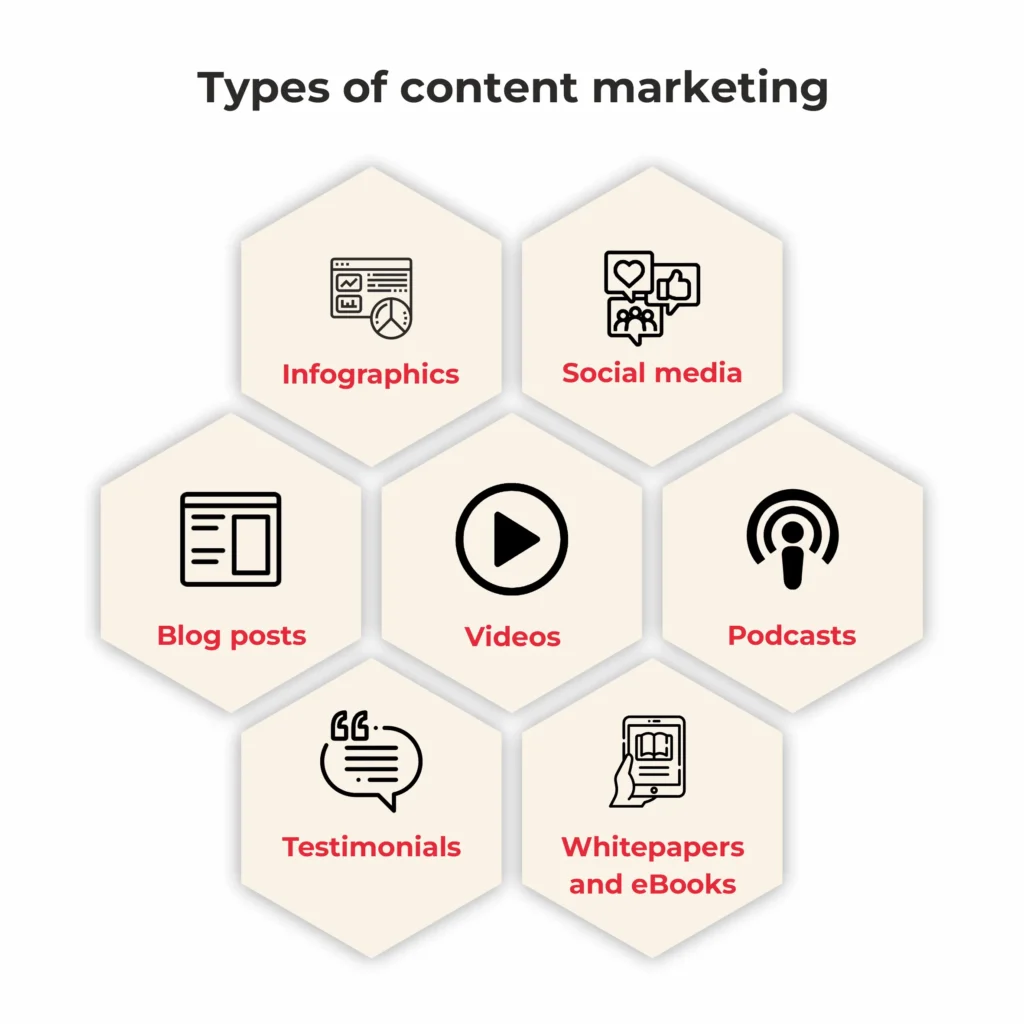
Content marketing comes in many forms. Businesses can choose the type of content that best suits their audience and goals.”Why Content Marketing Matters”: One reason people search for what is content marketing is to learn how it builds trust and customer loyalty.”When learning what is content marketing, you will discover many content formats.”
Blog Posts
Blogs are one of the most popular forms of content marketing. They allow businesses to share insights, answer common questions, and improve their search engine rankings. Regular blog posts can attract visitors to a website and keep them engaged.
Social Media Content
Platforms like Instagram, Facebook, LinkedIn, and X provide opportunities to share content with a wide audience. Businesses can post images, videos, tips, stories, and updates to connect with followers and increase brand awareness.
Videos
Video content is highly engaging and easy to consume. Tutorials, product demonstrations, interviews, and behind-the-scenes videos can help businesses communicate their message effectively.
Infographics present information in a visually appealing format. They simplify complex topics and make data easier to understand.
Email Newsletters
Email marketing remains an important part of content marketing. Businesses can send valuable updates, tips, and offers directly to subscribers, helping maintain customer relationships.
E-books and Guides
Detailed guides and e-books provide in-depth information on specific topics. These resources often help businesses generate leads by encouraging visitors to share their contact information.
Benefits of Content Marketing
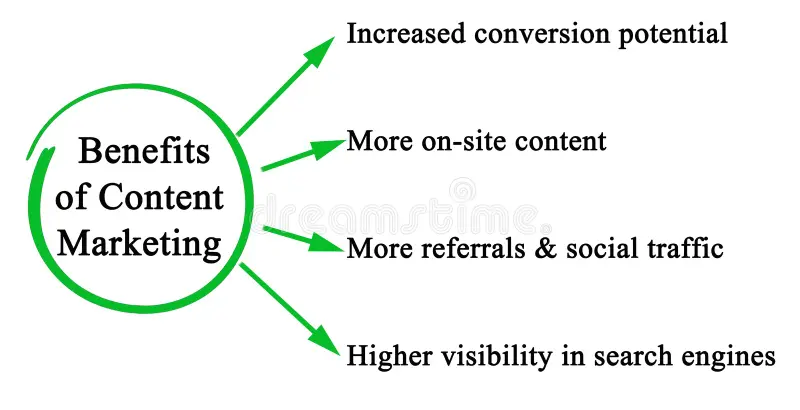
“Benefits of Content Marketing”: Understanding what is content marketing can help businesses improve brand awareness and generate more leads. Content Marketing offers several advantages for business of all sizes Businesses that understand what is content marketing can gain a competitive advantage.”
Build Brand Awarness
Creating valuable content helps people discover your business. The more useful content you publish, the more opportunities you have to reach potential customers.
Improves Search Engine Rankings
Search engines like Google reward websites that provide high-quality and relevant content. Regularly publishing useful content can improve your visibility in search results and attract organic traffic.
Generates Leads
Quality content encourages visitors to learn more about your business. By providing valuable information, you can turn website visitors into potential customers.
When you consistently share expert knowledge, people begin to view your business as a trusted authority in your industry. This trust can influence purchasing decisions.
Increases Customer Engagement
Interesting and relevant content encourages people to interact with your brand. Comments, shares, likes, and discussions help strengthen customer relationships.
Supports Long-Term Growth
Unlike paid advertisements that stop producing results once the budget ends, content can continue attracting visitors and generating leads for months or even years.
How Content Marketing Works
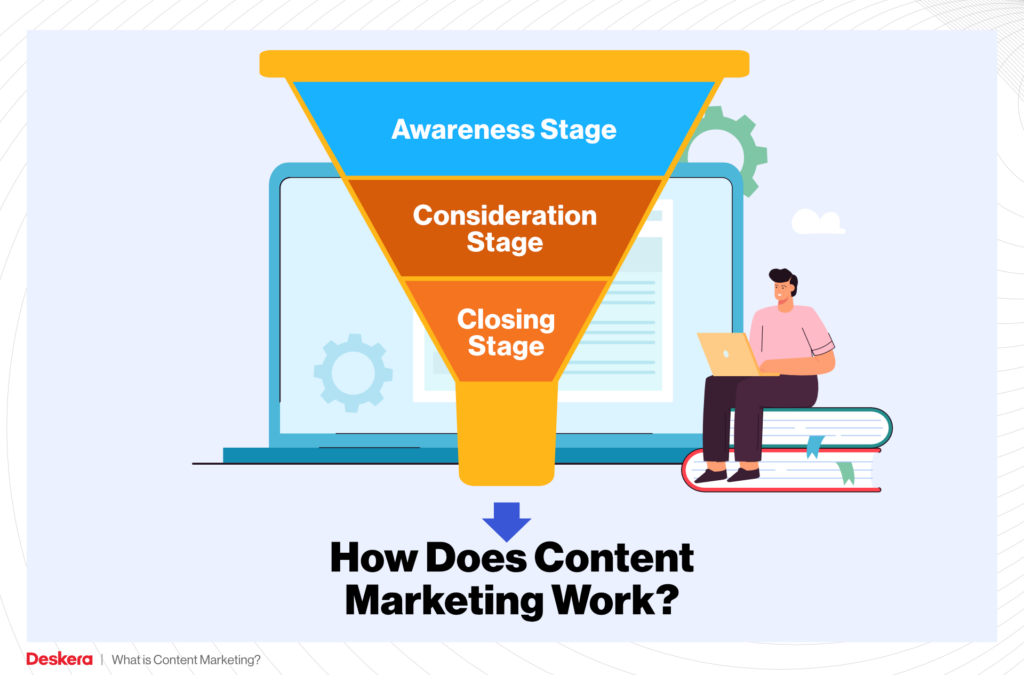
A successful content marketing strategy typically follows several steps. Knowing what is content marketing is only the first step; implementation is equally important.”
Identify the Target Audience
Understanding your audience is the foundation of effective content marketing. Businesses need to know who their customers are, what challenges they face, and what information they are seeking.
Create Valuable Content
The next step is developing content that addresses audience needs. The content should be informative, engaging, and relevant to the target audience.
Publish and Distribute Content
Once content is created, it should be shared through appropriate channels such as websites, social media platforms, email newsletters, and online communities.
Measure Performance
Tracking performance helps businesses understand what works and what needs improvement. Metrics such as website traffic, engagement rates, and conversions can provide valuable insights.
Common Content Marketing Mistakes
Many businesses make mistakes when starting with content marketing. Some common errors include:
Creating content without understanding the audience.
Focusing only on sales instead of providing value.
Publishing content inconsistently.
Ignoring search engine optimization (SEO).
Failing to measure results and adjust strategies.
Avoiding these mistakes can improve the effectiveness of your content marketing efforts.
Content Marketing and SEO
Content marketing and SEO work closely together. Search engine optimization helps content become more visible in search results, while quality content provides the value that search engines want to deliver to users.
By using relevant keywords, creating helpful articles, and maintaining a user-friendly website, businesses can improve both content performance and search rankings. What is content marketing in SEO? It is the process of creating valuable content that attracts organic traffic.
The Future of Content Marketing
Content marketing continues to evolve as technology and consumer behavior change. Artificial intelligence, personalized experiences, interactive content, and video marketing are becoming increasingly important. However, the core principle remains the same: providing value to the audience.
Businesses that focus on creating authentic, useful, and engaging content will continue to build trust and achieve long-term success.
Conclusion
Content marketing is more than just creating blog posts or social media updates. It is a strategic approach to attracting and engaging customers by providing valuable information. By helping people solve problems, answer questions, and make informed decisions, businesses can build trust, increase brand awareness, and drive growth.
In an increasingly competitive digital landscape, content marketing has become an essential tool for businesses that want to connect with their audience and achieve sustainable success. Whether you are a beginner or an experienced marketer, investing in quality content can deliver significant benefits for your brand and help you stand out in the online world. If you would like to learn more about what is content Marketing and how it can help grow your business, feel free to contact me. I’m happy to help.